
There is a feeling in society that we are losing a sense of community, that people aren’t as quick to look out for others, staying in their own lane in day-to-day life. The phrase ‘Everyone wants to have a village, but no one wants to be a villager’ repeated in online discourse again and again. This is a feeling that resonates, that has stuck with many. In a world lacking clear third spaces, lacking community spaces, where money has to be spent in an establishment for the privilege of sitting there for a few hours. and social media emphasises that every person should be in charge of and represent their own brand, everything is a performance; a mask put up to show an idea of yourself. Do we really live in a world lacking community, and how can we affect change to this feeling of alienation?
Credit The Observer
One change that could play into this feeling is the loss of the church as an epicentre of community. The number of people in Ireland who described themselves as having ‘no religion’ increased by 187% between the census in 2011 and 2022. In the 1926 census 93% of Irish citizens described themselves as being Roman Catholic (N= 2.7M). In the 2022 census that percentage dropped to 69% (N= 3.5M). Obviously, there are ample reasons why someone in the modern day would be less inclined to find themselves aligning with the beliefs of the catholic church in Ireland. Despite the fact that the number of people who describe themselves as catholic being larger now than it was there is a very different feeling to Irish Catholicism today. When an ambulance passes, you might see someone bless themselves. When someone sneezes, you might hear a ‘Bless you’. When you head to any given church in the country on a Sunday morning however, you will not see pews crammed full of people in their best dress, wide eyes and perked ears. The church is no longer a place to bring the entirety of the community together, no longer a place to congregate. It isn’t a place that the general person feels some sense of belonging to, where one has a sense of a communal idea. The parish was a central part of Irish society, and the parish would gather on a Sunday.
There is no singular thing to replace that total sense of community in today’s Ireland. There isn’t a space where all people show up regularly for the same function, the same idea. There are pockets of community, but it is disjoint, there is no great unifier. There is no feeling of the village. We all need to worship something, so we find reasons to worship together. This is why your dad goes mad for the local GAA team even though his friends’ son sits on the bench for the intermediate team. It gives him a feeling of belonging; there is something to support.
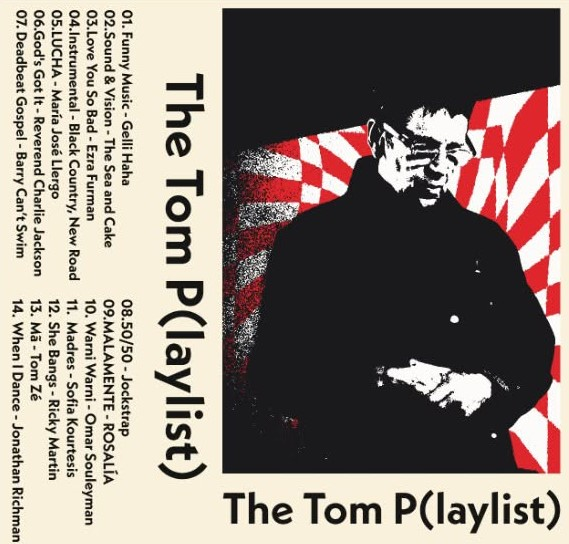
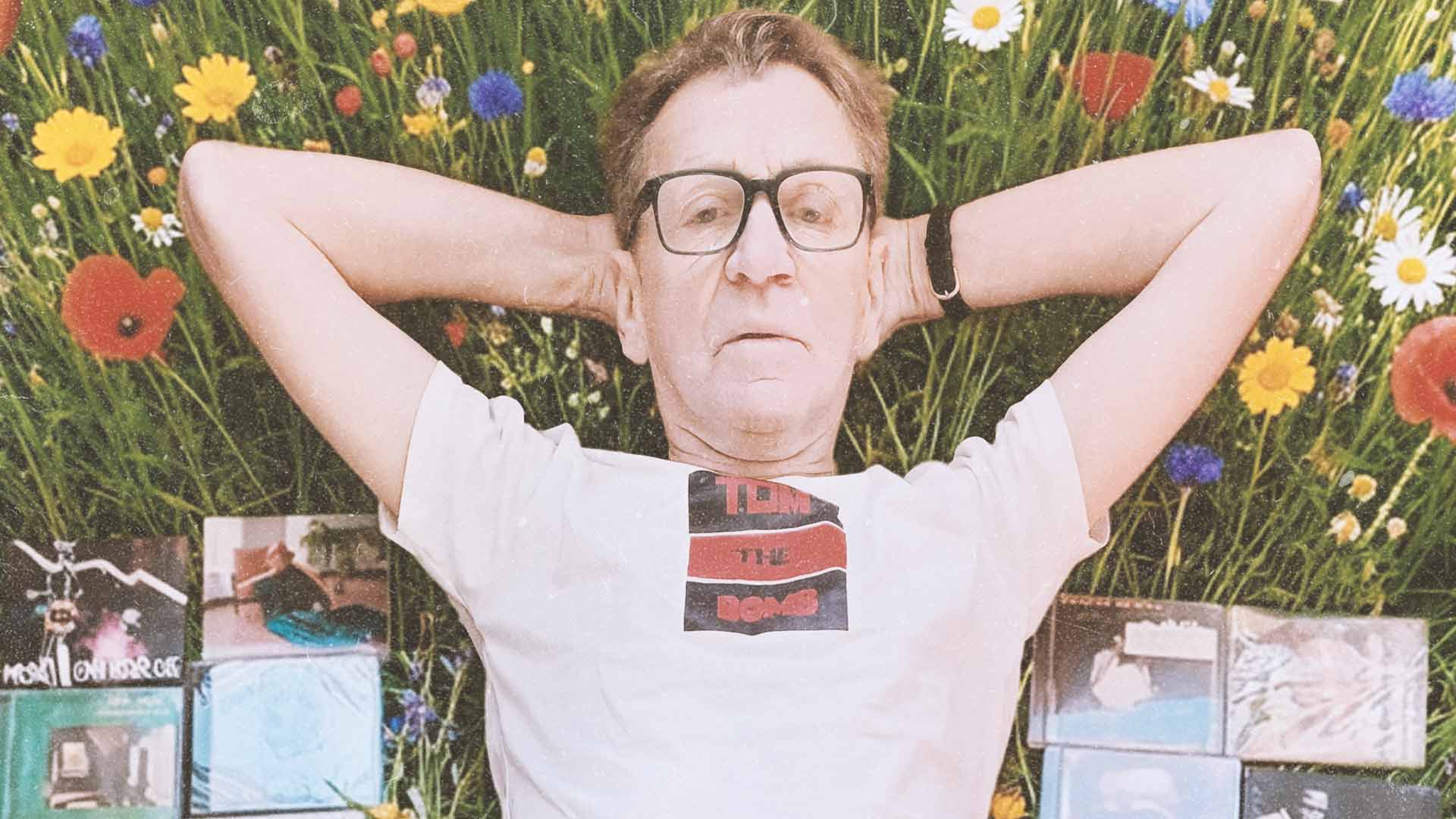
Tom Prendergast, or ‘Uncle Tom’ as he is endearingly called, is singular in his conviction, and singular as an artist. He is regaled in Limerick for the energy and the atmosphere around his DJ sets, and the selection of music he chooses to play. He is a man, happy to be a villager, to the point of trying to build the entire village himself. This man has an incredible story to tell. Moving over illegally to New Jersey in his late twenties, staying for long enough to get himself a Green Card, he then started his own music label while working in a record shop. He spent evenings driving in and out of New York with his good friend and co-worker Glenn Morrow, looking for talent to sign. Bar/None records was quite successful and has since gone on to sign over 100 artists throughout its almost 40-year history. Prendergast then dropped all of this in the year 2000, selling his shares in the label to Morrow, and returning back to his native Limerick. Verging on his fifties, Prendergast decided to enroll in LSAD. Tom is now a full-time artist, involved in several community projects and volunteering gigs around Limerick; for the last 12 years he has put on a free DJ night in The Commercial on Catherine St.
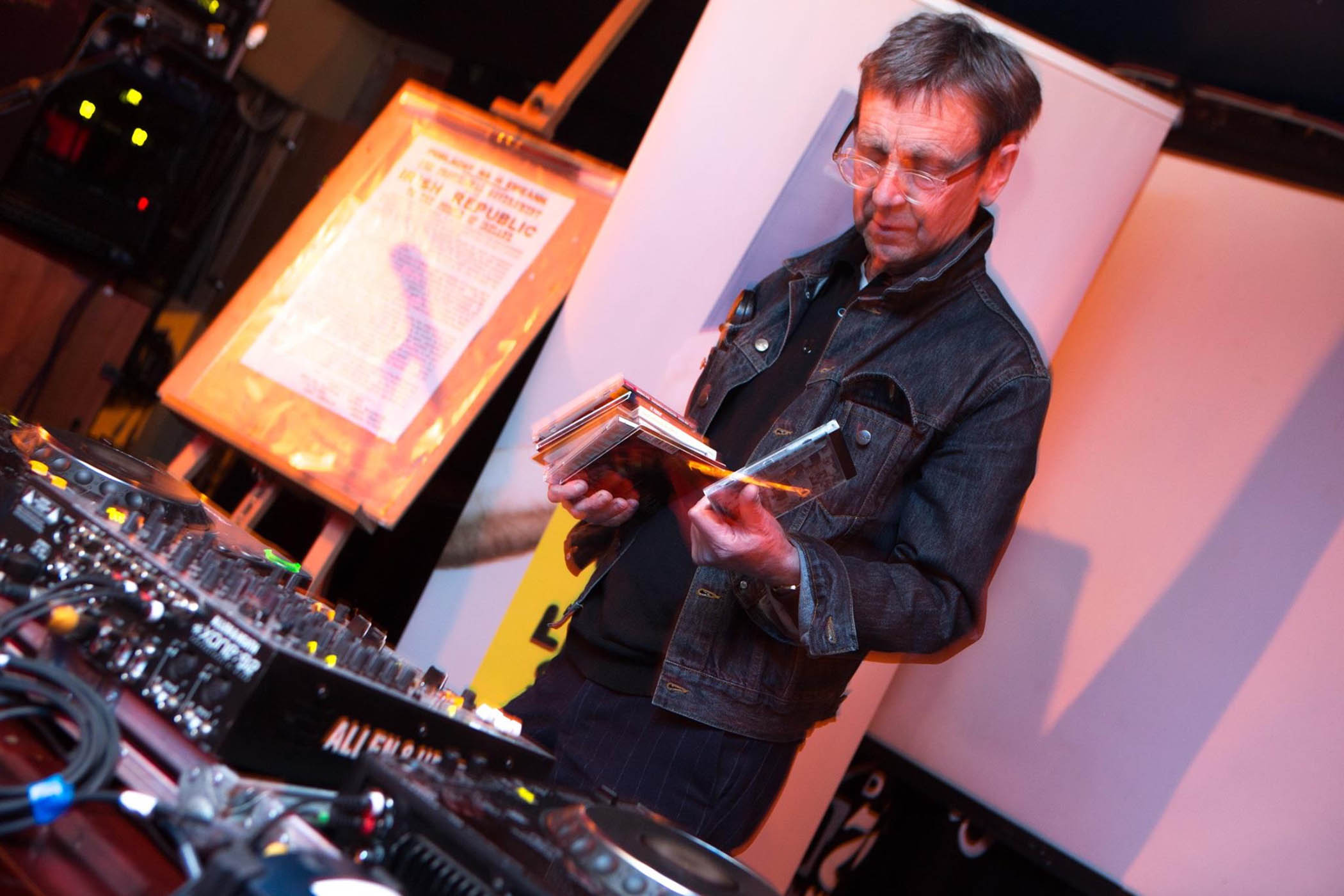
Tom brings a unique style to his sets, not just from his t-shirts donning his epithet ‘Tom the Bomb’, but also in the way he delivers his tunes. He opts to only play tracks from CDs in his personal collection. He can be seen arriving to the pub with shopping bags full of compact discs before every gig. Through a wonderfully eclectic mix of dance music, and his signature finger-snapping dance moves, Tom knows how to work a crowd. The ethos that he brings to his gigs is as follow, “Guys, we are all having fun here. What if we all came back once a month and brought our friends?”.
It is exactly this attitude that has lead to the cultivation of one of the most unique club nights in Ireland. The crowd that frequents Tommy P’s legendary DJ nights are a mix of all ages, people from all countries, anybody who wants to join, everybody with the shared language of dance. Through this emphasis on bringing together a community Tom has, whether he is aware of it or not, accrued a congregation. We are the parishioners, the humble followers who return to this site for each service. He is the clergyman, providing us with a space to express ourselves through the medium of dance, to work out our feelings, to dance ourselves clean.
Tom brings people together, and the people resonate with that. In a cavernous space tucked under a pub in Limerick city, collective movement washes through a crowd. This space with a shrine to the Virgin Mary and Celtic symbolism carved into the stone walls, is a place of worship. Tom is the facilitator, but not the focus. He doesn’t draw the attention to himself, he himself is lost in the beat of the music. He can even be seen to step off-stage and walk down through the crowd, clicking his fingers as he goes. The altar is left unattended, but the spirit of the movement remains.
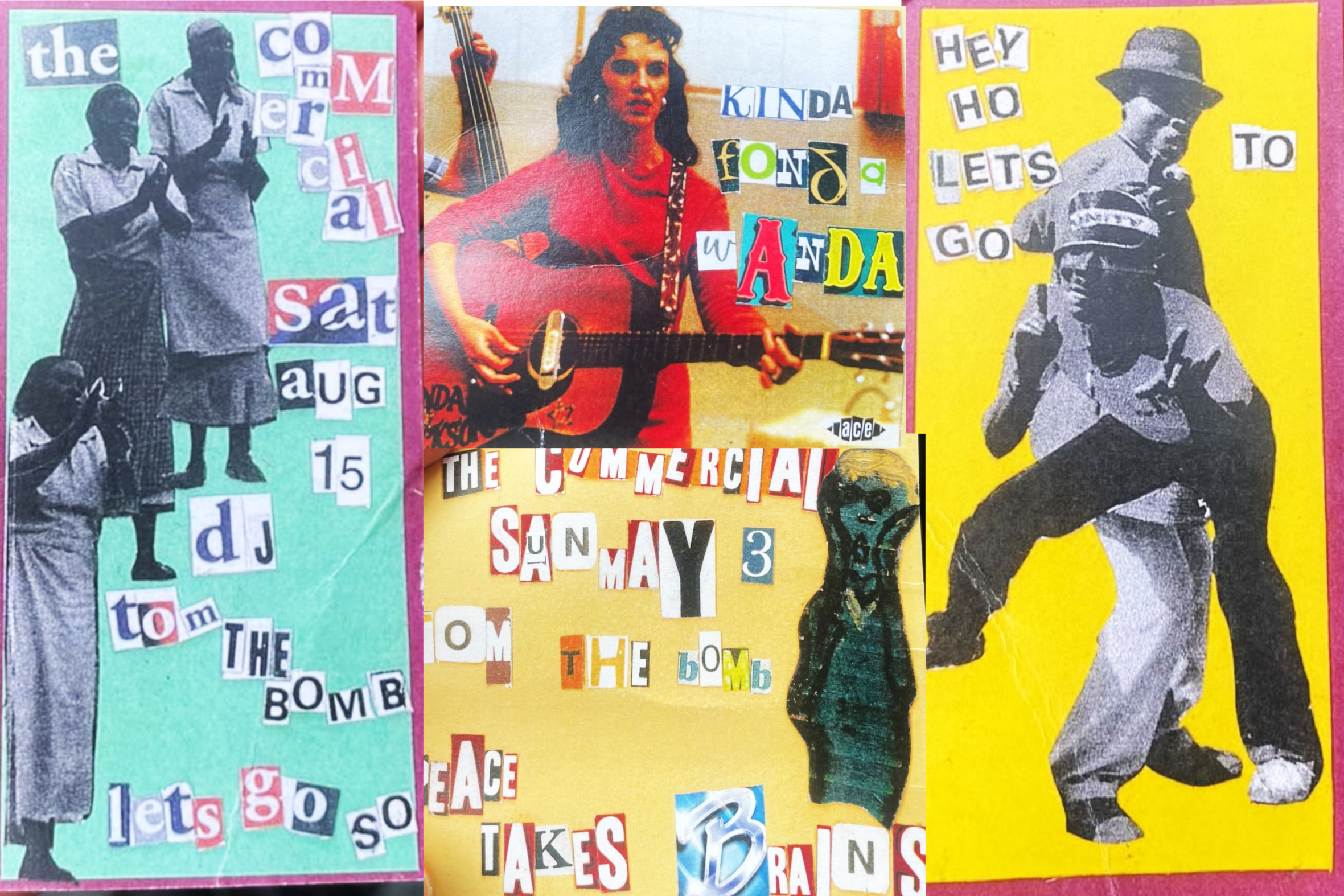
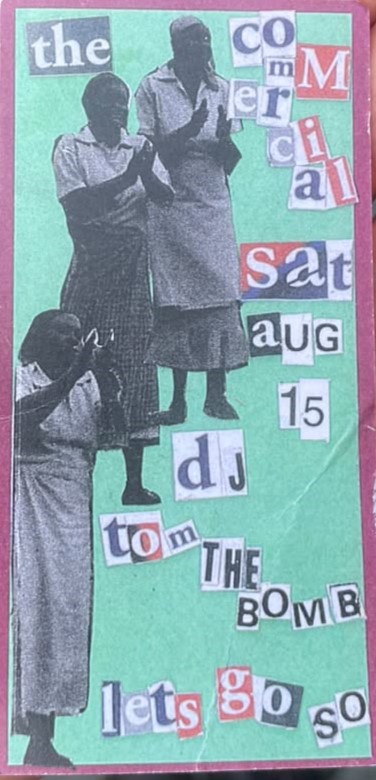
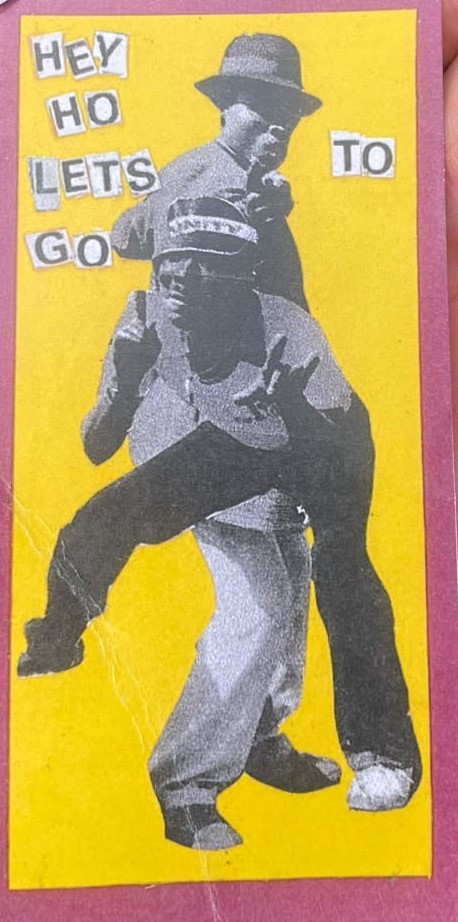
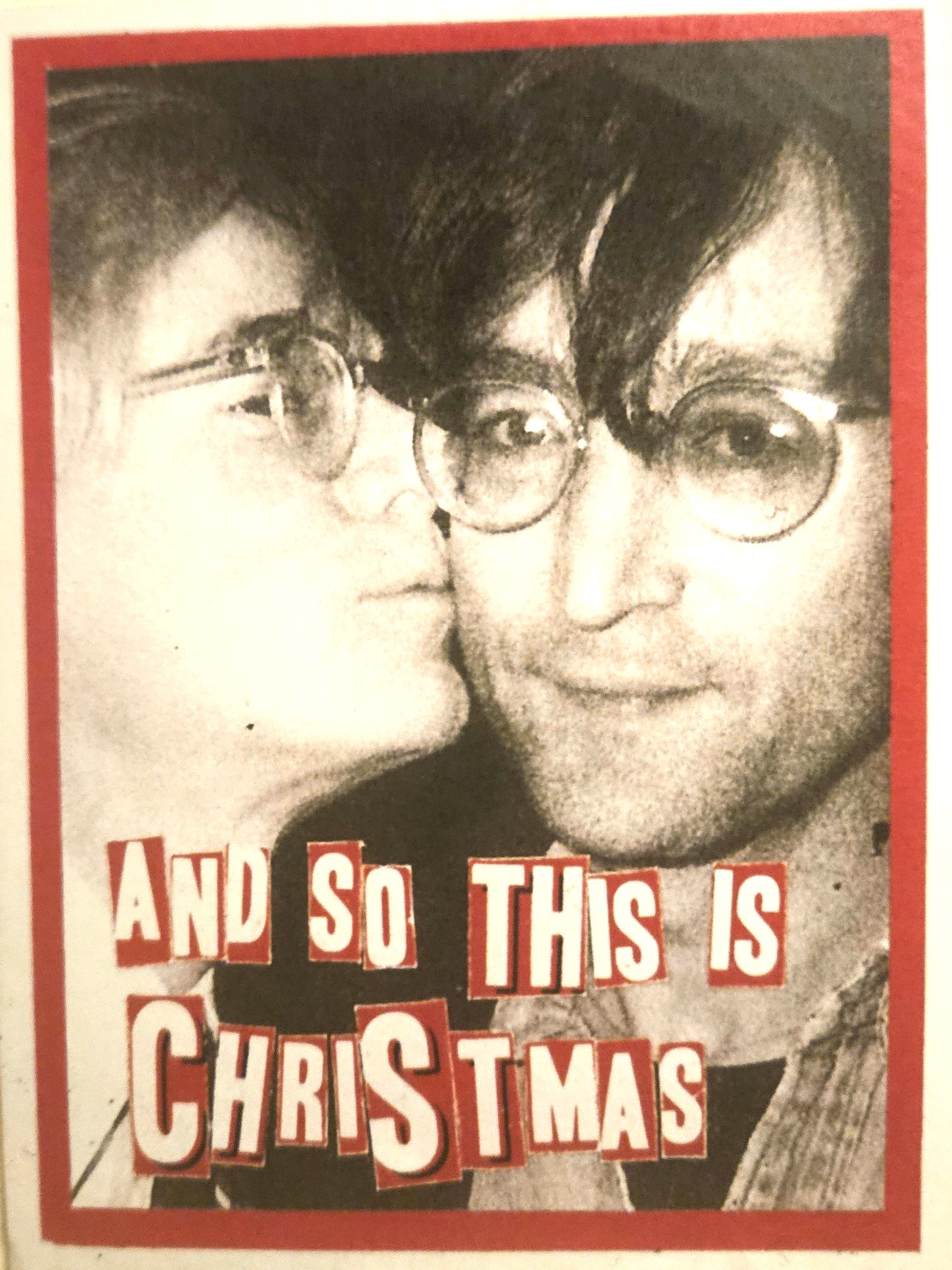
The musicality, the rhythm, the pure joy of collective motion. A mass of bodies, here for the same purpose. A collection of people engaging with the same thing. They gather periodically. They face the same man on stage; he delivers his service. The congregation of Tom Prendergast is not a closed group, not a fixed entity. It is open to all and always accepting new members. Tom himself has said that he sometimes goes out of his way to make sure he invites people of foreign nationality along to his gigs. He wants to bring them into the fold, to give them a space and a community in Limerick. The cards that he hands out, like mass pamphlets, set the tone for the evening ahead: An eclectic mixed-media collage. Each with different images, colours, and quotes. There is a theme for sure, his cards look similar, but each is unique. Much like his gigs. Tom feels like the grandfather of the art scene in Limerick; between lecturing in LSAD, volunteering with different community projects, and just showing people that if you put yourself out there and are true to your own unique identity you can do something truly special. Tom is an essential part of the music culture in Limerick. At his big age, he pumps vitality into the youth. Charging them up by giving them a space and an energy to lift their level. In this hole in the ground people connect to something higher than themselves. In this sweaty little room magic happens, a community comes together. We are villagers, all together.
------------------------------------------------------------------------------------------------------------------------
CHARITY CD FEATURING CLASSIC SONGS FROM TOMS SET
..........DETAILS TO COME..........